HooCS Hub
Core Faculty

Zac Irving
Director
Philosophy
College of Arts & Sciences
Zac Irving is an Associate Professor of Philosophy and the director of HooCS. Zac's work develops an action-theoretic, scientific, and ethical theory of attention that makes room for spontaneous forms of attention such as mind-wandering. He uses methods from both analytic philosophy and scientific psychology, grounding his scientific theorizing and methods in philosophical foundations.

Jenn MacCormack
Core Faculty
Psychology
College of Arts & Sciences
Dr. Jennifer MacCormack is an Assistant Professor of Social Psychology at the University of Virginia and directs the Virginia Affect and Interoception Laboratory. Broadly, she studies how the brain represents the body's internal states through interoception — and how those representations contribute, consciously and unconsciously, to emotion and social behavior across the lifespan.
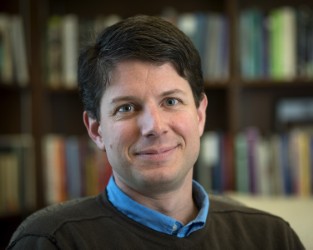
David Danks
Core Faculty
Philosophy & Data Science
College of Arts & Sciences
David Danks is the Polk JSF Distinguished University Professor of Philosophy, AI, & Data Science. He works on ethical, psychological, and policy issues around AI and robotics, as well as building novel AI systems and computational cognitive models.
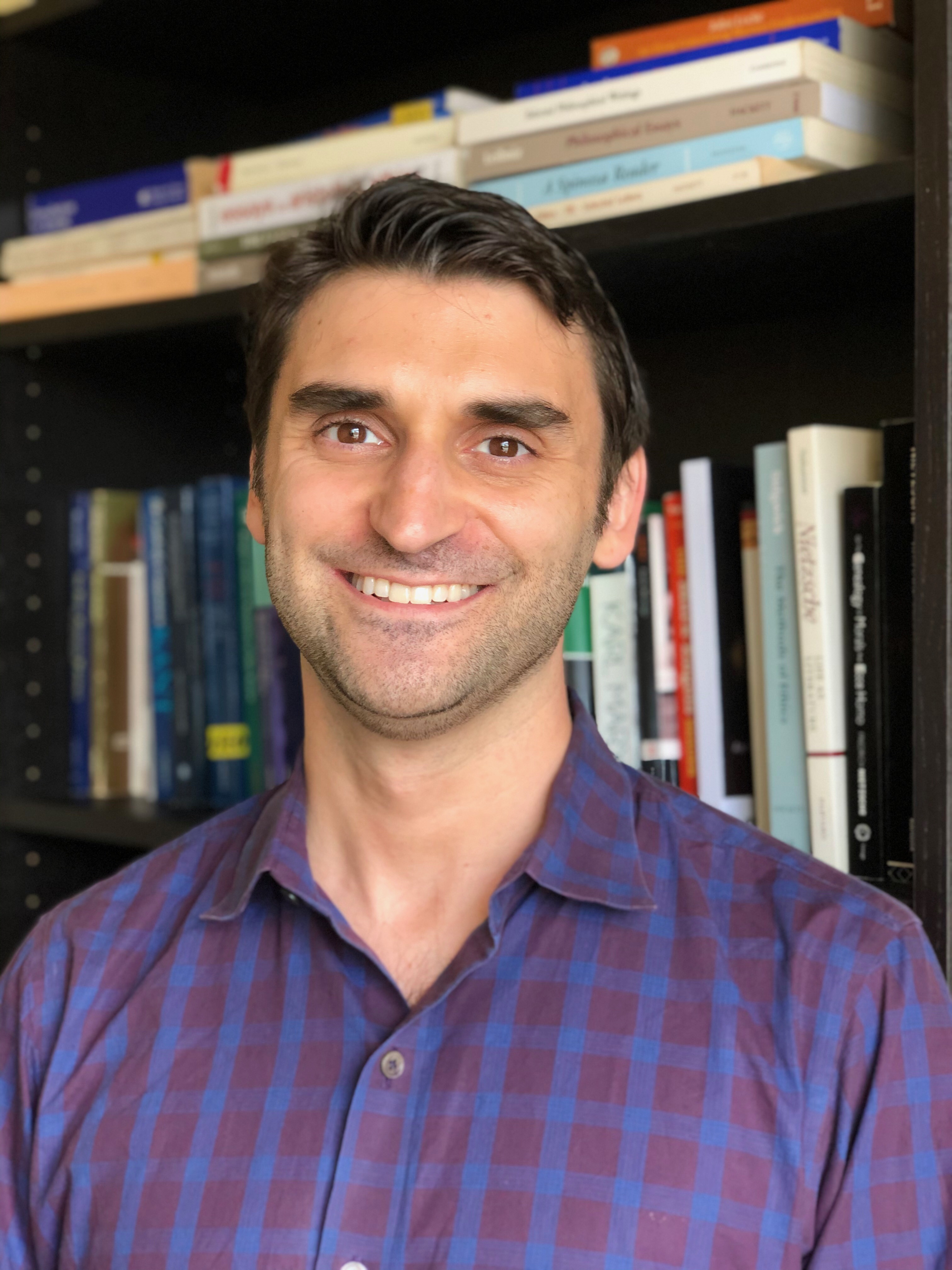
Justin Bernstein
Core Faculty
Philosophy
College of Arts & Sciences
Justin Bernstein is an Assistant Professor in the Philosophy Department at UVA. His work focuses on topics at the intersection of applied ethics and political philosophy — especially public health ethics.
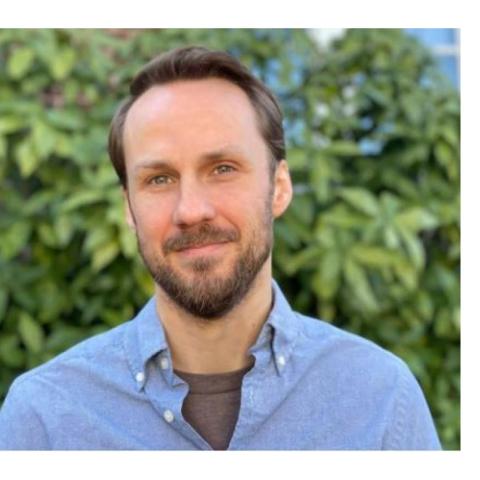
Trey Boone
Core Faculty
Philosophy
College of Arts & Sciences

Per Sederberg
Core Faculty
Psychology
College of Arts & Sciences

Michael Sheehy
Core Faculty
Contemplative Sciences
Contemplative Sciences Center
Michael R. Sheehy, PhD, is Research Associate Professor and the Director of Research at the Contemplative Sciences Center, University of Virginia. He is founding Principal of the CIRCL — Contemplative Innovation + Research Co-Lab — a transdisciplinary experimental lab that investigates contemplative practices through lenses of the history of religions, cognitive sciences, and empirical phenomenology.

Sheisha Kulkarni
Core Faculty
Commerce
McIntire School of Commerce
Affiliated Faculty
Justin Snedegar
Affiliated
Philosophy
College of Arts & Sciences
Justin Snedegar is a philosophy professor at UVA working in ethics, moral psychology, and practical reasoning.

Adrienne Wood
Affiliated
Psychology
College of Arts & Sciences
Associate Professor in the Psychology Department. My Emotion and Behavior Lab studies how laughter and conversation help people connect despite their differences, how strangers become friends, and the strategies people use to become well-connected to their communities. We use a variety of methods, including computer vision and acoustic analysis to measure nonverbal behavior, topic modeling, social network analysis, digital interventions, and experience sampling.

Lauren DiNicola
Affiliated
Psychology
College of Arts & Sciences

Chad Dodson
Affiliated
Psychology
College of Arts & Sciences

Gabrielle Adams
Affiliated
Public Policy & Business
Batten School & Darden